Recently, I noticed that the return pump flow had become noticeably weaker than when the tank was first set up.
At first, the water surface would still move even without the powerhead running.
But whenever I turned the powerhead off for cleaning or a water change, that surface movement kept getting weaker. At this point, it barely moved at all.
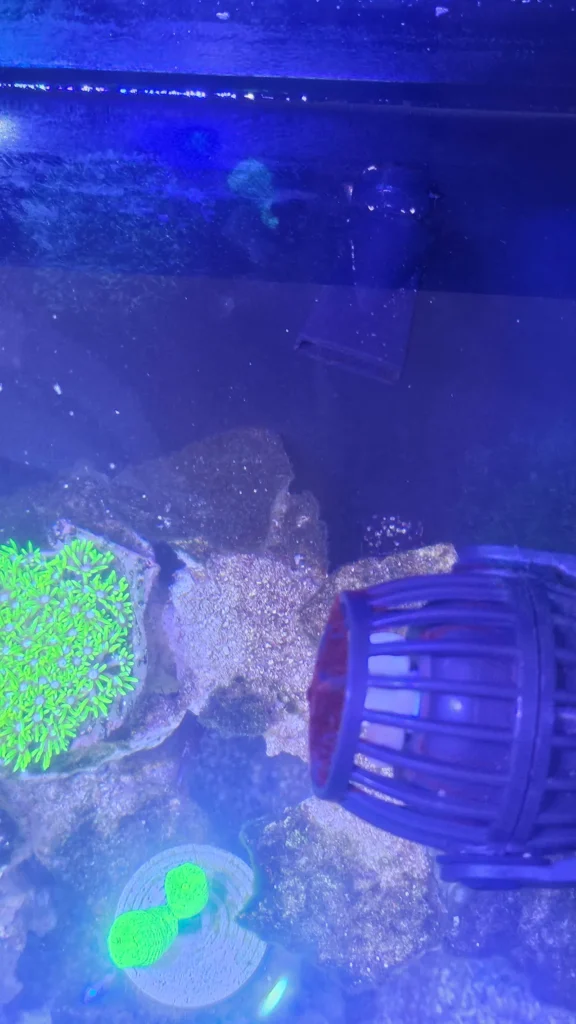
I already had a powerhead in the tank, so part of me wondered if the basic water movement was still enough.
During the water change, though, I looked at how quickly water was coming from the sump back into the display, and that changed my mind.
This was not just a small drop in flow that I could ignore.
The problem seemed to be on the return pump side.
I am not especially handy, and the return pump I use is not an expensive piece of equipment, so at first I was thinking about just buying a new one.
Still, I decided to at least try taking it out once.
I could not say for sure why the flow had dropped, but I had solved a similar issue with a powerhead by cleaning it before. At minimum, the return pump needed to be checked and cleaned.
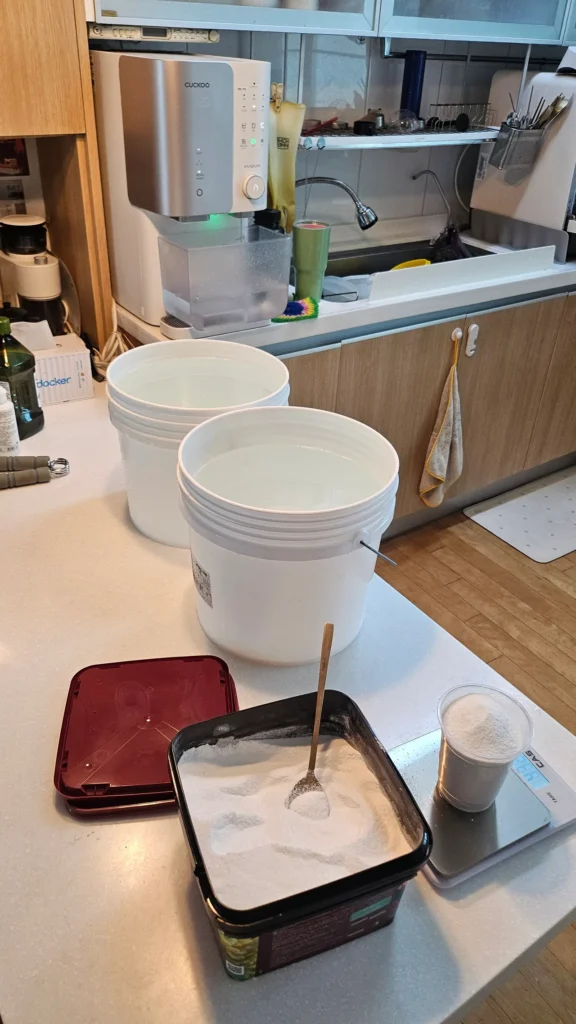
The best timing seemed to be during a water change.
Right when I worked up the nerve to pull the return pump out, I ran into a problem.
The two outlets from the rear sump into the display, and the two parts that looked like pipes or hoses, did not come loose as easily as I expected.
I did not want to force anything and break it, so I did not fully remove the pump this time.
It was frustrating. I had finally decided to take the pump apart and clean it, but I got stuck at a part I had not expected.
Was there another option? Was there at least a temporary way to improve the flow?
If an internal part of the pump was broken, or if the broken part was something I could not disassemble, there would not be much I could do. But if debris or algae was blocking the intake, maybe cleaning that area would be enough.
So I checked it right away.
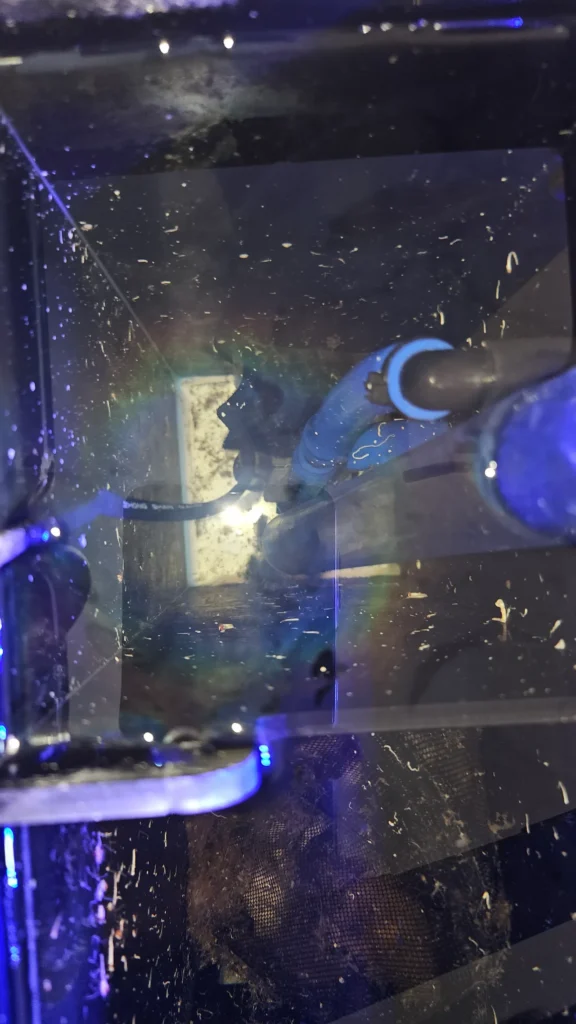
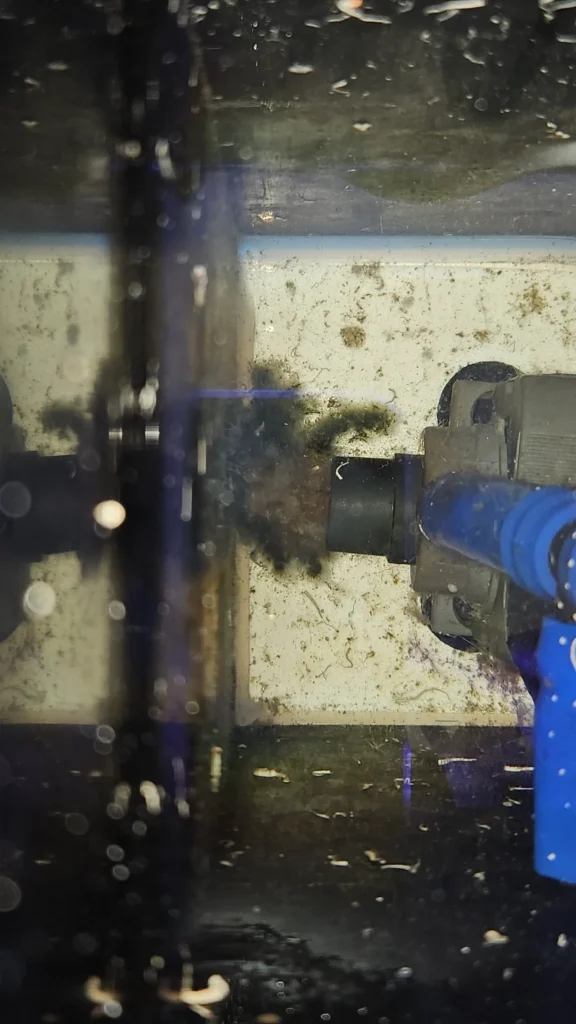
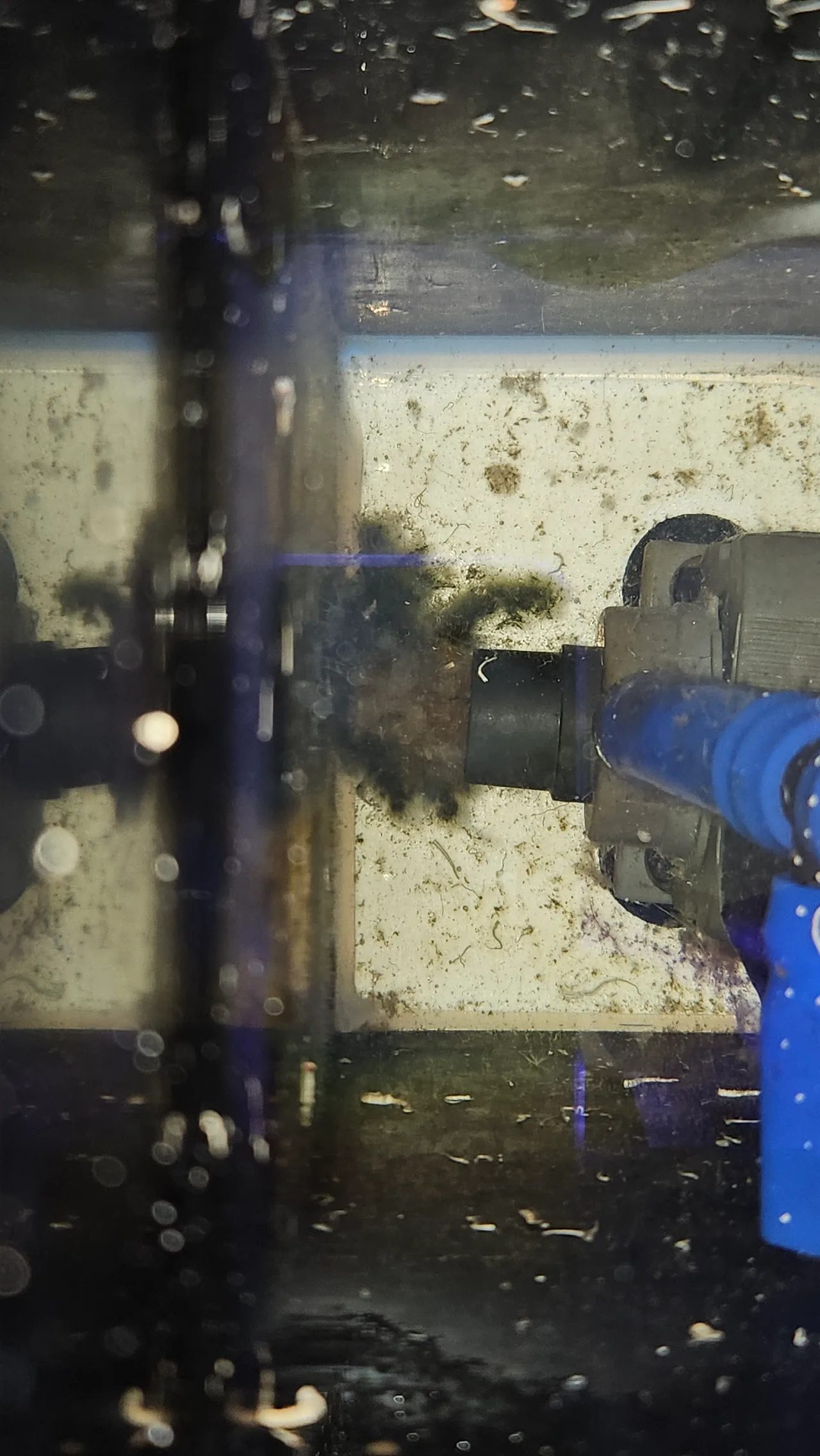
That was a shock. Algae was covering the intake. The return chamber barely gets any light, so I still do not know how algae managed to grow that much there.
Seeing that made me want to pull the whole pump out even more and clean it properly.
But the outlets and piping were still too firmly attached, so I decided to leave the full disassembly for later.
It was summer, but I was also worried that leaving the tank drained for too long could drop the water temperature and stress the livestock.
For now, I did what I could.
Using a pipette, I pulled out some of the algae stuck around the return pump intake.
I do not know exactly what kind of algae it was, but I could see material sitting around the intake, so I removed what I could reach.
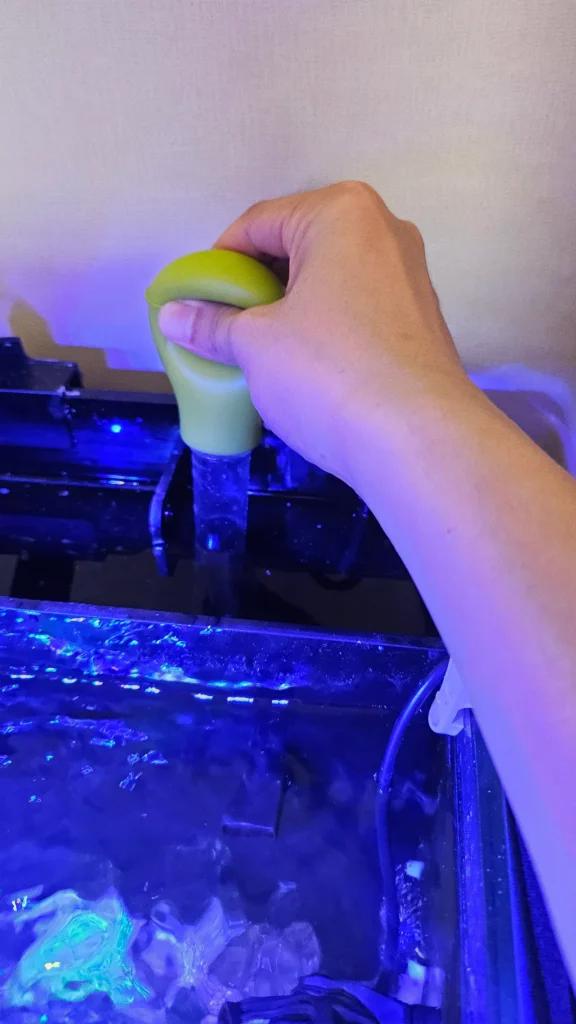
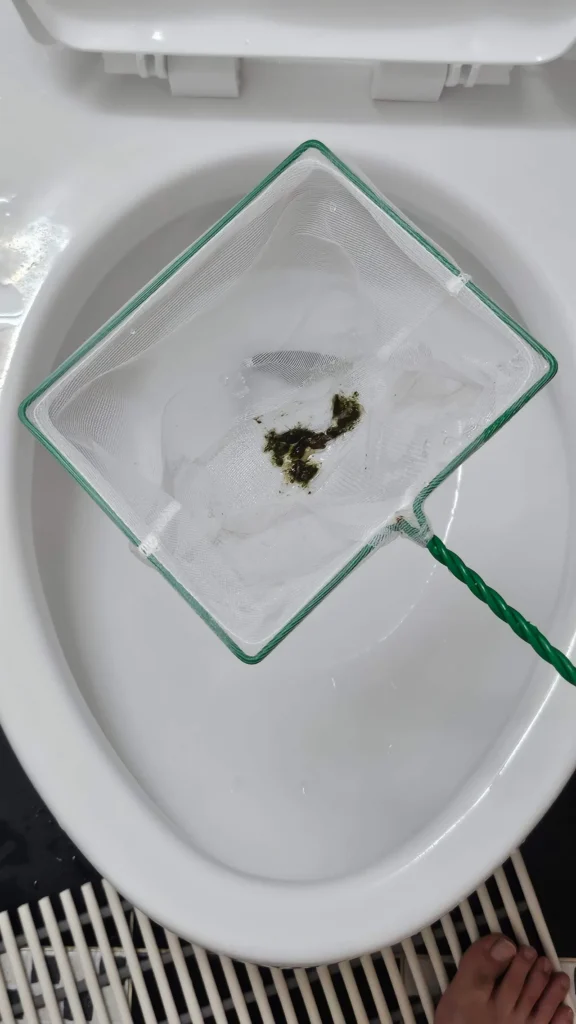
After that, the flow definitely felt like it had come back.
Even without the powerhead, the water surface moved a little again, and the corals showed a bit of movement too.
Still, when I put my hand near the outlet, it seemed weaker than it was at the original setup. I will probably need to fully remove the pump at some point.
Algae already bothers me because of how it looks, and sometimes it even covers corals. After this, I disliked it even more.
It even made me wonder if I should keep snails in the return chamber too.